
Can Chronic Swelling Cause Weight Gain & Restore? Adiponectin's commonly reported anti-hyperglycemic, anti-atherogenic, and anti-inflammatory impacts have actually made it an appealing therapeutic target for the treatment of excessive weight and insulin resistance. Nevertheless, efforts to create therapies targeting adiponectin function have been hindered by its intricate framework and guideline (117 ). In 1949 spontaneously taking place obese offspring in a Jackson Laboratories' non-obese mouse nest were established to be homozygous for a recessive mutation, termed "obese" (ob) (76 ). These ob/ob computer mice show up regular at birth, but soon start gaining excess fat mass and presenting hyperglycemia and hyperinsulinemia (77 ). In the 1950s, ob/ob computer mice and their non-obese littermates undertook parabiosis experiments, where 2 pets are operatively joined (typically by abdominal muscle or a lengthy bone of the leg) to allow for the exchange of whole blood between them (78 ). Weight gain was
Click for more inhibited in ob/ob computer mice parabiosed with non-obese littermates, providing proof that the ob/ob genetics product was a distributing variable transferred from the blood of the lean littermate.
What beverage thaws natural fat?
Introduction: A Historic Perspective On Fat Biology
- However, each sort of fat cell is rather specialized and has a distinct intracellular distribution of organelles and genetics expression account.
- The white and brown adipocytes consisting of these depots display physiological distinctions, which give rise to specialized cells functions.
- Thankfully, there are several shared characteristics amongst rodent fat pads and human fat depots.
- The α2-ARs are extremely revealed in the subcutaneous AT of people and act to inhibit lipolysis (360 ), however are lacking in rodent adipocytes.
- Collins states she informs people to bear in mind that "not all weight management is excellent." For instance, if you are losing muscle instead of fat tissue, she claims, "This is not helpful."
- As clinical methods for the research study of AT continue to quickly develop, so does our understanding regarding the metabolic, biomechanical, immune, and secretory functions of AT in regular physiology and metabolic disease.
Resistin, one of the most just recently found of the major adipocyte-derived hormones, was individually determined by 2 laboratories. In one case, the gene coding for this unique endocrine element was recognized in a display for genetics hindered by TZD drugs and was called "resistin" because it induced insulin resistance (163 ). An additional team recognized the same gene in a screen for genetics revealed specifically in adipocytes and induced during adipogenesis; they named it ADSF, for adipose tissue-specific secretory variable. In this study, the item of the gene was revealed to hinder distinction of adipocytes artificial insemination (164 ), later on verified in a different study (165 ).
Increased Triglycerides In The Bloodstream
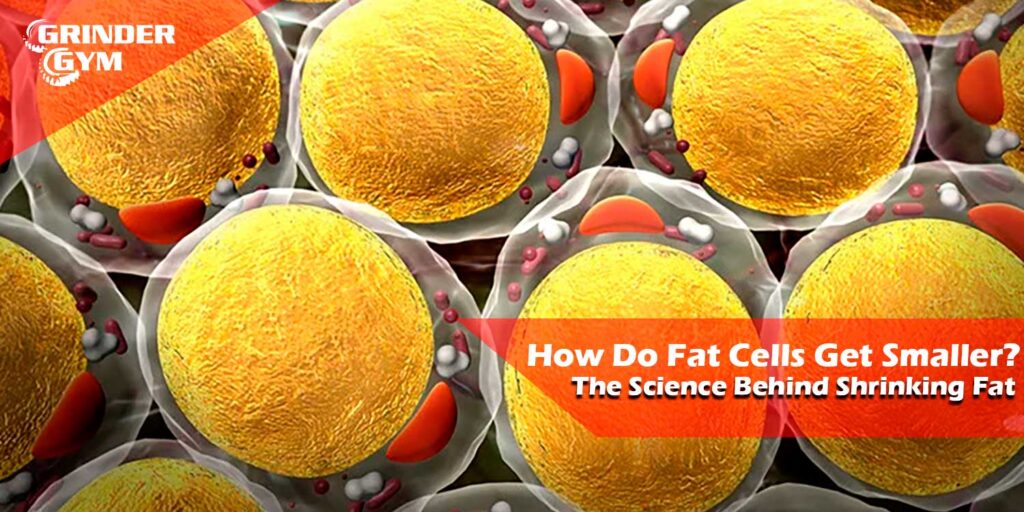
AT development is defined by adipocytes accumulating lipid and expanding in size (hypertrophy) or number (hyperplasia or adipogenesis) or boosting in both size and number. Evidence suggests that the ability of subcutaneous AT to increase along with the way of development (hypertrophy vs. hyperplasia) can affect cardiometabolic wellness. This device is thought to underlie the advantages of thiazolidinedione (TZD) medicines, which are approved for the therapy of type 2 diabetes mellitus (388,389). These PPARγ agonists stimulate preadipocyte distinction and the expansion of adipocytes (390,391), specifically in subcutaneous depots as contrasted to natural adipose tissue (392 ), which causes raised adiponectin levels and boosted insulin level of sensitivity (393,394). Recent evidence from a computer mouse design of high-fat diet plan (HFD)- induced insulin resistance shows that PAHSAs act by means of both straight and indirect systems to enhance insulin sensitivity in multiple metabolic tissues, such glycolytic skeletal muscle, heart, liver, and AT. In WAT explants, PAHSAs straight hinder lipolysis and boost insulin's ability to reduce lipolysis. While PASHAs can also straight prevent endogenous glucose manufacturing (EGP) in separated hepatocytes, the lowered AT lipolysis indirectly undermines EGP due to lowered glycerol (gluconeogenic substratum) distribution to the liver (50 ). Other searchings for do not support the AT expandability theory and suggest that greater adipogenesis does not necessarily represent renovations in metabolic health. The failure of this simple system eventually brings about lipodystrophy and its serious consequences. Excessive weight is ending up being increasingly typical in America; actually, since 2019, 40% of grownups over the age of 20 were considered obese [1] Obesity is determined mostly via a person's body mass index (BMI), which computes body dimension by gauging weight symmetrical to elevation. Although other elements can lead to high BMI such as large muscle or bone thickness, obesity is still a popular and significantly prevalent issue in America. And with obesity comes a lot of illness, consisting of type II diabetes. The power was saved as tiny packages of molecules called fats, which are released into the blood stream for use as gas by muscle mass and other body organs when there was no food readily available, or when a predator was chasing us. To comprehend the actions of GCs via the glucocorticoid receptor (GR), it is necessary take into consideration the enzyme that influences circulating levels of cortisol, the active form of GR's endogenous ligand. 11β-hydroxysteroid dehydrogenase kind 1 (11 beta HSD1) is an enzyme very expressed in AT and liver that in AT converts non-active cortisone to the active hormonal agent cortisol. Hence, it is not surprising that 11 beta HSD1 mRNA expression and activity is essential for the induction of human adipogenesis which adipocyte growth can be obstructed with a 11 beta HSD1 certain inhibitor (275 ). Current attention has focused on the potential contributions of environmental pollutants known as endocrine interrupting chemicals (EDCs) in the growth of metabolic diseases. Studies reveal that EDCs can promote adipogenesis via GR activation (277 ), thereby linking these substances in the rising rates of excessive weight and diabetes mellitus. Resistin has actually additionally been shown to regulate fasting blood glucose degrees in computer mice (175 ). When leptin levels of mice are secured to reduced degrees (similar to lean computer mice), these secured computer mice still establish excessive weight on HFD, but they do not end up being leptin immune (93 ). The lack of ability to get rid of leptin resistance by giving supplementary dosages has actually averted leptin's usage as an anti-obesity restorative. Interestingly, leptin resistance that goes along with excessive weight shows up to arise from careful disability of leptin's capacity to lower food intake, while maintaining its various other capacity to elevate energy expenditure (94 ). The molecular basis for this sensation has not yet been clarified and stays under energetic investigation. In the initial process, under normal day-to-day feeding conditions adipocytes use up nutritional lipids
Love handles treatments from the circulation in the kind of FFA's liberated from distributing TAGs by means of the action of lipoprotein lipase (LPL) (33 ). Adipocytes additionally take up glucose, which is transformed to glycerol and works as the foundation for the consecutive esterification of fatty acids for form TAG. In 1972, a similar study showed that parabiosis with lean animals not only decreased weight gain in ob/ob mice, yet also boosted hyperglycemia, hyperinsulinemia, and insulin sensitivity (6 ). Ultimately, in the 1990s, positional cloning research studies recognized the item of the ob genetics, called leptin, which was originated from the Greek word "leptos" indicating to be slim. Additional characterization of leptin exposed that adipocytes were its predominant source (5 ). Adipocytes and various other AT cells secrete a selection of moderators, including exosomes, miRNA, lipids, inflammatory cytokines, and peptide hormonal agents that act in both paracrine and endocrine modes (Figure 5) (75 ). Nonetheless, considerable progression has actually been made examining three endocrine hormones that are almost solely generated in adipocytes and function to manage food intake, the reproductive axis, insulin sensitivity, and immune responses. These hormones are leptin, adiponectin, and resistin, and we review their expression in excessive weight, their receptors, and results in target cells consisting of metabolic actions (Number 6). Over time, raised degrees of sugar and lipids can contribute to hypertension, negative cholesterol, and various other metabolic modifications. Inflammation can bring about weight gain by triggering insulin resistance and affecting the hormones that regulate cravings and metabolic process. " These adjustments turn fat tissue from anti-inflammatory to a pro-inflammatory one, which can spread inflammation throughout the body," says Collins, who is likewise an assistant teacher at Emory University's School of Medication. " Obesity causes consistent activation of the immune system, developing a low-grade, persistent inflammatory state."